
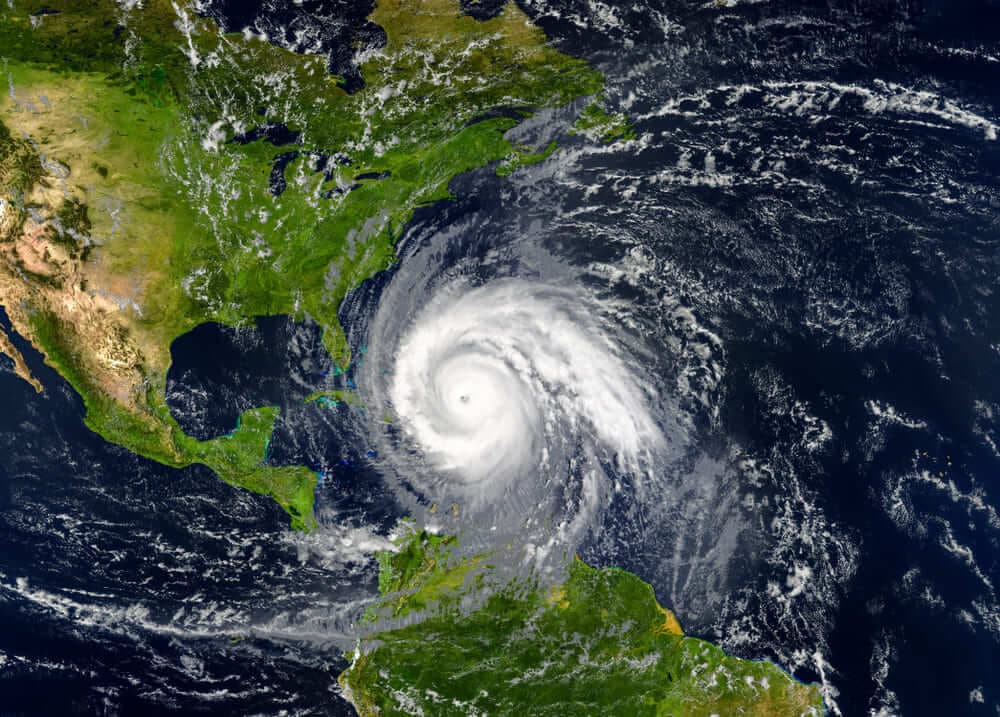
Biggest Hurricane in Florida History
Florida has a long and serious history with hurricanes. From the Florida Keys to Lake Okeechobee, Miami, Fort Myers, Naples, Cape Coral, and the Gulf Coast, major storms have shaped how residents prepare, build, and protect their properties.
But the “biggest hurricane in Florida history” does not have just one answer. A hurricane may be considered the biggest because of its lowest pressure, strongest winds, storm surge, geographic size, death toll, or total property damage. Understanding Florida’s hurricane history helps homeowners, condo owners, property managers, and business owners prepare for the next hurricane season.
Call Guardian Hurricane Protection today at 239-438-4732 for a free consultation, or message us online and take the first step toward comprehensive storm protection.
What Does “Biggest Hurricane” Really Mean?
The biggest hurricane in Florida history depends on how the storm is measured. One storm may be remembered for its wind intensity, while another may be remembered for flooding, storm surge, or loss of life.
Hurricanes can be ranked by:- Lowest barometric pressure
- Wind speed and category
- Storm surge height
- Width of the wind field
- Death toll
- Property damage and economic impact
This is why the strongest hurricane in Florida history is not always the costliest or deadliest. Each measurement tells a different part of Florida’s hurricane story.
Biggest Hurricane According to Lowest Pressure
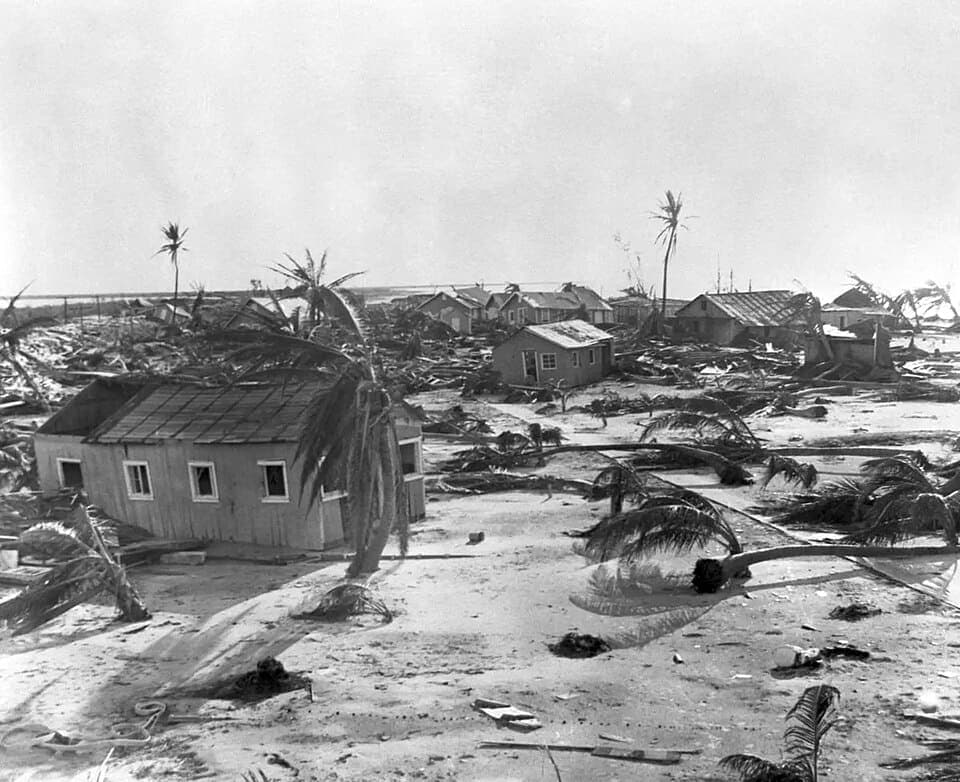
When discussing pressure, the 1935 Labor Day Hurricane is among the most significant storms in Florida’s history. It struck the Florida Keys as a Category 5 hurricane and is widely recognized as one of the most intense hurricanes ever to hit the United States.
Barometric pressure is important because lower pressure often means a stronger, more intense hurricane. A very low central pressure can indicate powerful winds, rapid intensification, and a tightly organized storm core.
The 1935 Labor Day Hurricane was especially dangerous because it was compact, extremely intense, and struck with devastating force. It remains a major reference point when discussing the largest hurricane in Florida history in terms of intensity.
Biggest Hurricane According to Storm Surge
Storm surge is one of the most dangerous hurricane hazards. It occurs when hurricane winds push seawater, or lake water in certain cases, over normally dry land. Surge can flood homes, roads, businesses, and entire communities.
Two Florida storms are especially remembered for surge impacts: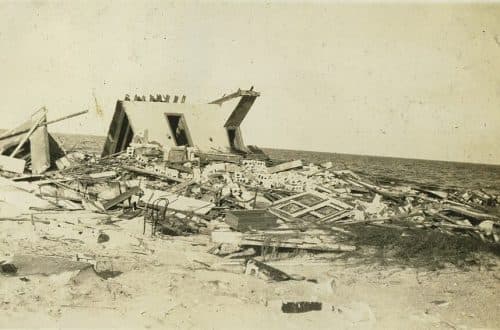
1928 Okeechobee Hurricane
This storm caused a destructive lake surge around Lake Okeechobee, leading to catastrophic loss of life.
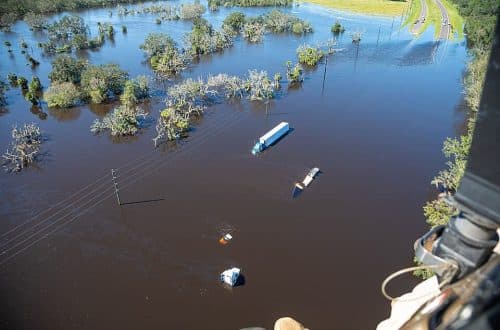
Hurricane Ian
In 2022, Ian brought severe storm surge and flooding impacts to parts of Southwest Florida, including coastal communities near Fort Myers, Sanibel, Cape Coral, and Naples.
Biggest Hurricane According to Size
Hurricane size refers to the width of a storm’s wind field, not just its category. A smaller Category 5 storm may have extreme winds near the center, while a larger storm can spread tropical storm force or hurricane force winds across a much wider area.
Large hurricanes can affect many communities at once. In Southwest Florida, this matters because a storm need not make direct landfall in Fort Myers, Cape Coral, Bonita Springs, Estero, or Naples to cause damage.
A wide storm can bring:
- Windborne debris
- Heavy rain
- Power outages
- Tornadoes
- Flooding
- Storm surge along coastal areas
For property owners, storm size is a reminder to prepare early, even when the forecast cone shifts.
The Biggest Hurricane According to Death or Fatalities
Some Florida hurricanes are remembered not only for wind or damage, but for the lives lost. This part of Florida hurricane history should be discussed with respect and care.
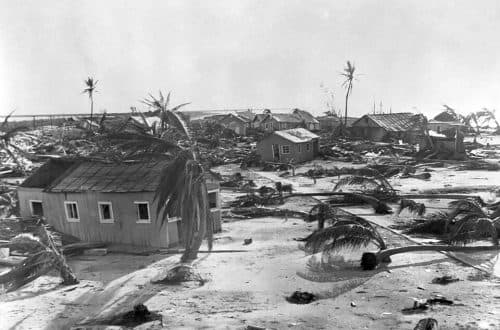
These storms are reminders that hurricane preparedness includes more than protecting property. It also means following evacuation orders, understanding flood risk, and planning before conditions become dangerous.
Biggest Hurricane According to Damages
When measured by property damage and economic impact, modern hurricanes often rank very highly because Florida has more homes, businesses, roads, utilities, and coastal development than in earlier decades.
Major damage storms include: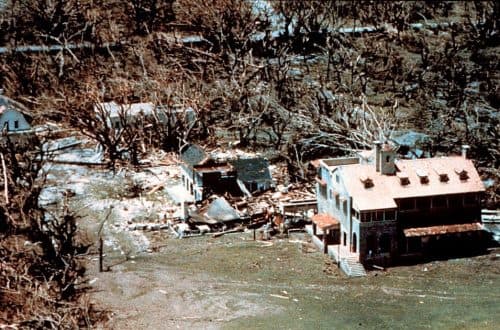
Hurricane Andrew: A Category 5 landfall in South Florida that caused severe wind damage.
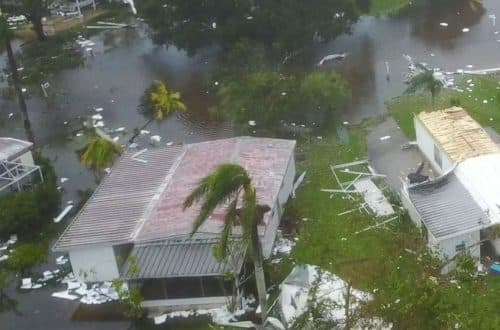
Hurricane Irma: A large 2017 storm that affected many parts of Florida.
Hurricane Ian: A devastating 2022 storm that caused major damage across Southwest Florida.
Hurricane damage can come from many sources, including wind, flying debris, flooding, storm surge, roof damage, broken windows, failed doors, and compromised sliding glass doors. Once an opening forms, wind and rain can enter the building, increasing the risk of interior damage.
Importance of Hurricane Protection in Southwest Florida
Professional hurricane protection matters because Florida homes and businesses have many vulnerable openings. Windows, doors, sliders, lanais, storefronts, and exposed glass areas can all be at risk during severe weather.
Common risks include:- Broken windows and doors
- Windborne debris
- Water intrusion
- Vulnerable sliding glass doors
- Damage to homes, condos, and commercial buildings
- Last-minute storm preparation stress
Prepare for Hurricane Season with Guardian Hurricane Protection
Guardian Hurricane Protection helps Southwest Florida homeowners and businesses protect vulnerable openings with professionally installed impact windows, impact doors, sliding glass doors, hurricane shutters, hurricane panels, and hurricane fabric screens.
Whether you are upgrading a home, preparing a seasonal property, improving a condo, or protecting a business, Guardian Hurricane Protection can help you compare options and choose a practical system.
Call Guardian Hurricane Protection today at 239-438-4732 for a free consultation, or message us online and take the first step toward comprehensive storm protection.